Yemen's Houthi movement said on Friday, November 13, that it had launched fresh drone and missile attacks on Saudi Arabia, including a drone aimed at the airport in the capital, Riyadh, and two drones aimed at a pumping station on the kingdom's East-West oil pipeline. The claims were reported on Saturday, November 14, the same week the UN Security Council renewed sanctions on the Houthis. The claims have not been independently verified, and Saudi authorities had not commented on them when the reports were published.
What the Houthis claimed
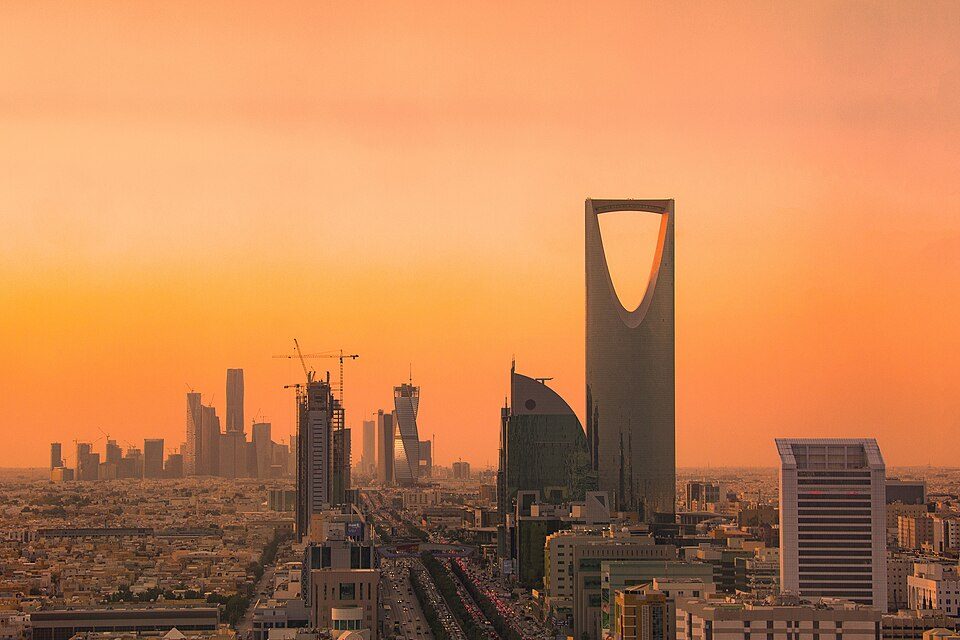
Houthi military spokesperson Yahya Sarea said the attacks were carried out on Friday, according to Houthi-run al-Masirah TV. He said one drone had targeted King Khalid International Airport in Riyadh, while two others had struck Pumping Station No. 3 along the East-West oil pipeline, east of the city. He said the operations had achieved their aims.
In a separate statement, Sarea said two ballistic missiles had struck gatherings of Saudi forces in the Al-Tuwal area of Jazan, near the border with Yemen. He claimed that dozens of personnel were killed or wounded, including Sudanese nationals.
Reuters reported the claims on Friday. The reports stressed that the attacks, the casualties, and the damage could not be independently verified, and that Saudi authorities had not immediately commented. No photos or other evidence of damage to the airport or the pipeline were published with the claims.
What Saudi Arabia said
A day before the Houthi claims, on Thursday, the Saudi-led coalition said it had intercepted and destroyed two Houthi drones, one in the Riyadh region and another in the kingdom's Eastern Province. Major General Turki al-Maliki, the spokesperson for the coalition, announced the interceptions in a statement carried by the Saudi Press Agency.
The coalition statement did not mention any damage from the drones it said it had intercepted, and it did not confirm or deny the Houthi claims made on Friday. As of Saturday morning, there was no Saudi statement confirming that the airport or the pipeline had been hit.
The gap between the two accounts is common in this conflict. The Houthis often claim attacks that Saudi Arabia says were intercepted or did not happen, and independent reporters have limited access to the sites involved. Readers should treat the claims as claims until there is confirmation from a second source.
The UN Security Council renews sanctions
The claims came a day after the United Nations Security Council renewed its sanctions on the Houthis. On Thursday, November 12, the council adopted a resolution by consensus that extended a targeted asset freeze and travel ban on individuals linked to the group until November 14, 2027, and renewed the mandate of the Panel of Experts that monitors the sanctions until December 15, 2027.
The resolution condemned the Houthis' military escalation inside Yemen and their cross-border strikes against Saudi Arabia. It also moved to restrict the group's access to components and chemicals used in making drones and missiles. The council asked its members to decide by January 11 what measures to take to block the group from acquiring items on a list drawn up by the expert panel. The sanctions apply to named individuals and to the supply of weapons and parts, not as a general embargo on Yemen.
Fighting inside Yemen
The claims and the sanctions come at a time of heavy fighting inside Yemen. The UN's migration agency, the IOM, says 340,000 people have been forced to leave their homes, according to Al Jazeera's live coverage on Saturday. The fighting is particularly heavy near the Bab al-Mandeb Strait, the narrow sea passage at the southern end of the Red Sea.
The Houthis control the capital, Sanaa, and much of northern Yemen. The internationally recognised government, backed by the Saudi-led coalition, controls the south and east. The two sides have fought since 2014, when the Houthis took Sanaa, and the Saudi-led coalition entered the war in 2015. The war is one of the world's worst humanitarian crises, with millions of people depending on aid.
The wider war in the region
The Houthi claims are part of a wider conflict across the Middle East. The United States and Israel have been at war with Iran since February 28, 2026, after US and Israeli strikes on Iran. The Houthis are allied with Iran, and they have attacked Saudi Arabia and shipping in the Red Sea during the war.
On Friday, Turkey and Qatar signed a mutual defence agreement, pledging to take a joint stance against any external armed attack on either country. The deal was signed during talks between Turkish President Recep Tayyip Erdogan and Qatar's leadership, and it was reported by Gulf News and Al Jazeera as a sign of how the war is reshaping alliances in the region.
In the Strait of Hormuz, shipping remains about 65 per cent below pre-war levels, according to the United Kingdom Maritime Trade Operations agency, known as UKMTO. Iran's Revolutionary Guards said on Friday and Saturday that tankers had hit naval mines in the strait while using what Tehran called unauthorised routes. The US military says it has cleared the main routes through the waterway of mines. The strait carries about a fifth of the world's oil, so any disruption there affects energy prices around the world.
Why the Riyadh claims matter
There are three reasons the claims matter, even though they are unverified.
First, the targets are important. King Khalid International Airport is one of the busiest airports in the Middle East, and the East-West pipeline carries oil from Saudi Arabia's eastern fields to the Red Sea port of Yanbu. An attack on either would be a serious escalation.
Second, the claims show that the Houthis can still reach deep inside Saudi Arabia. Riyadh is about 1,000 kilometres from Yemen, and the Houthis have attacked the capital before, in October 2026.
Third, the claims come as the war in the region is widening. The US-Iran war, the fighting in Yemen, the Turkey-Qatar defence pact, and the disruption of shipping in the Strait of Hormuz are all part of the same crisis. A new round of attacks on Saudi Arabia could push oil prices higher.
What to watch next
The key question is whether Saudi Arabia confirms or denies the claims, and whether there is any visible damage to the airport or the pipeline. Flight data from Riyadh airport and statements from Saudi Aramco, which runs the pipeline, would be the clearest signs.
At the United Nations, the Security Council has asked its members to decide by January 11 on measures to block the Houthis from getting drone and missile parts. The UN has called for a political settlement in Yemen, but there is no sign of talks at present.
Frequently asked questions
What did the Houthis claim on November 14 2026?
The Houthis said they had launched drone attacks on King Khalid International Airport in Riyadh and on Pumping Station No. 3 on Saudi Arabia's East-West oil pipeline, and missile attacks on Saudi forces in Jazan. The claims were reported on November 14 and have not been independently verified.
Has Saudi Arabia confirmed the attacks?
No. Saudi authorities had not commented on the claims when the reports were published. A day earlier, the Saudi-led coalition said it had intercepted two Houthi drones, one in the Riyadh region and one in the Eastern Province.
What did the UN Security Council decide about the Houthis?
On November 12, the council renewed sanctions on the Houthis, extending an asset freeze and travel ban until November 14, 2027. The resolution also moved to restrict the group's access to parts and chemicals used to make drones and missiles.
Why are the Houthis attacking Saudi Arabia?
The Houthis have fought a war with the Saudi-led coalition since 2015, after they took Yemen's capital, Sanaa. They say their attacks on Saudi Arabia are part of that war and of the wider regional conflict.
How bad is the fighting in Yemen now?
The UN's migration agency says 340,000 people have been forced from their homes by the latest fighting, with heavy battles near the Bab al-Mandeb Strait. Yemen's war, which began in 2014, is one of the world's worst humanitarian crises.