United States forces carried out fresh strikes on Iran's Qeshm Island on Friday, November 6, 2026, in the latest attack in a war that has now lasted more than eight months. President Donald Trump confirmed the strikes himself, calling them minor and saying they hit an Iranian air defence system. The strikes came on the same day that Iran was waiting for Washington's answer to a seven-day plan to end the war, and only three days after US voters handed Trump's party a heavy defeat in midterm elections.
Qeshm Island sits in the Strait of Hormuz, the narrow waterway between Iran and Oman through which about a fifth of the world's traded oil and gas normally passes. The island has been hit before in this war. Monday's strikes were only four days earlier. Friday's attack shows that, even as talks continue behind the scenes, the fighting has not stopped.
What happened on Friday
Trump spoke to reporters on Friday after arriving in West Palm Beach, Florida, on Air Force One. He said US forces had carried out what he described as minor strikes against Iranian air defence systems on Qeshm Island.
"We do minor strikes," Trump told reporters, according to Al Jazeera. "They knocked out, they built a little bit of an anti-aircraft device, and we knocked it out in about 15 minutes, maybe five."
Shortly before Trump spoke, Iranian state media reported two explosions in the Suza area of Qeshm Island. State broadcaster IRIB also reported a statement from the Iranian army, saying that the country's air defence forces had intercepted and destroyed an American MQ-9 drone over Qeshm Island. The US military did not confirm the drone claim. US Central Command, which oversees US military operations in the Middle East, said the situation was "relatively calm". A Central Command official told Al Jazeera that it was aware of the reports and had no further comment.
The extent of the damage from Friday's strikes was not independently established. Neither side has published verified pictures of the damage, and no independent observers were on the island.
Late on Friday, Central Command also announced in a post on X that the US was offering a reward of up to 20 million dollars, with possible relocation, for information about Iran's nuclear programme, including its facilities, equipment, and associated personnel.
A week of strikes and claims
Friday's attack was the second round of US strikes on Qeshm Island in a week. On Monday, November 2, Iranian media reported several explosions on Qeshm and Hengam islands, and in the mainland area of Bandar Abbas. American media outlets reported that the US military had carried out what officials called "defensive strikes" in the Strait of Hormuz.
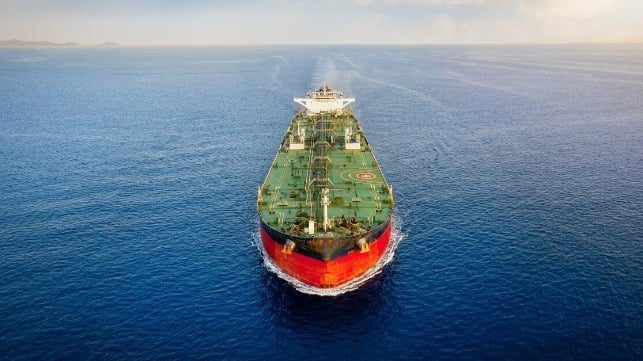
Shipping has also come under attack. On Thursday, November 5, the IRGC said that tankers had caught fire in the Strait of Hormuz, and Reuters reported that a crew member was killed in an explosion aboard the Marshall Islands-flagged tanker MT Velos Sapphire. About 2,000 ships are currently stranded on either side of the strait, which has been almost completely closed since the war began on February 28.
The seven-day plan to end the war
The strikes came on the same day that Iran was waiting for a US answer to a plan to end the war. Iran's Foreign Minister, Abbas Araghchi, told reporters outside the United Nations Security Council on Friday that Tehran had formally submitted a seven-day roadmap, and that it had been sent to Washington through Qatar.
According to Al Jazeera, the plan would start as soon as the US accepts it. Under the plan, Washington would lift its naval blockade of Iranian ports, waive sanctions on Iranian oil sales, release an estimated 12 billion dollars in frozen Iranian assets, and observe a ceasefire covering the region, including Lebanon and Yemen. In return, Iran would reopen the Strait of Hormuz on the sixth day, and talks on a final deal over Iran's nuclear programme would start on day seven. Later on Friday, The Wall Street Journal reported that Trump had rejected the proposal, quoting unnamed US officials who said he was privately sceptical that Iran would meet his demands.
On Saturday, Qatar dismissed reports claiming that negotiations between the US and Iran had failed. Majed al-Ansari, the spokesperson for Qatar's Ministry of Foreign Affairs, said in a post on X that promoting such claims served "only those seeking to prolong the war and destabilise the region".
The midterm elections and what comes next
Friday's strikes were the first since Trump's Republican Party was dealt a blow in Tuesday's midterm elections. Democrats won control of both the House of Representatives and the Senate, according to Reuters and Al Jazeera. Trump blamed the result on the Iran war, saying that the rise in fuel prices caused by the war had hurt his party.
Since the election, Trump has shifted between threatening Iran and suggesting that a deal is near. On Thursday, he said the US may have to "destroy" the rest of Iran, adding that people would "know soon enough" if he acts. On Friday, he said several times that his administration was talking to representatives from Tehran. "We're dealing with them now. They want to make a deal," he said, adding that "we've made a lot of progress with Iran", without giving details. Unnamed Pentagon officials told The New York Times on Wednesday that thousands of US air and naval forces were ready to resume major combat operations on Trump's orders. The war's effects are felt across the Gulf: Gulf News reported that Etihad Airways has cancelled flights between Abu Dhabi and Riyadh and Dammam through November 19.
The history behind the strait
The Strait of Hormuz has been a flashpoint for decades, because so much of the world's oil passes through it. The strait is only about 33 kilometres wide at its narrowest point, between Iran to the north and Oman and the United Arab Emirates to the south. The current war began on February 28, 2026, when the US and Israel launched attacks on Iran. A ceasefire came into effect on April 8, but the fighting never fully stopped, and the strait has been almost completely closed since the war began. Qeshm Island, the largest island in the Persian Gulf, sits at the mouth of the strait and looks out over the shipping lanes that carry oil from the Gulf to the rest of the world.
Frequently asked questions
What happened on Qeshm Island on November 6, 2026?
President Trump confirmed that US forces carried out strikes against an Iranian air defence system on Qeshm Island. Iranian state media reported two explosions in the island's Suza area. Iran's army said its air defences destroyed a US MQ-9 drone over the island, a claim the US did not confirm.
Why is Qeshm Island important?
Qeshm Island is the largest island in the Persian Gulf and sits in the Strait of Hormuz, through which about a fifth of the world's traded oil and gas normally passes. Its position makes it a key place for both sides in the war.
What is Iran's seven-day plan?
Iran submitted a seven-day roadmap to end the war through Qatar. Under the plan, the US would lift its naval blockade, waive oil sanctions, release about 12 billion dollars in frozen Iranian assets, and observe a regional ceasefire. Iran would reopen the Strait of Hormuz on day six, and talks on a final nuclear deal would start on day seven. The Wall Street Journal reported that Trump had rejected the proposal.
Is the Strait of Hormuz open?
No. The strait has been almost completely closed since the war began on February 28, 2026. About 2,000 ships are stranded on either side, and the US has announced a mission called Project Freedom to guide them out, which Iran opposes.
What is the state of the ceasefire?
A ceasefire came into effect on April 8, 2026, but fighting has continued, including strikes on Qeshm Island and attacks on shipping. Both sides say they are talking through mediators, but no wider agreement has been reached.