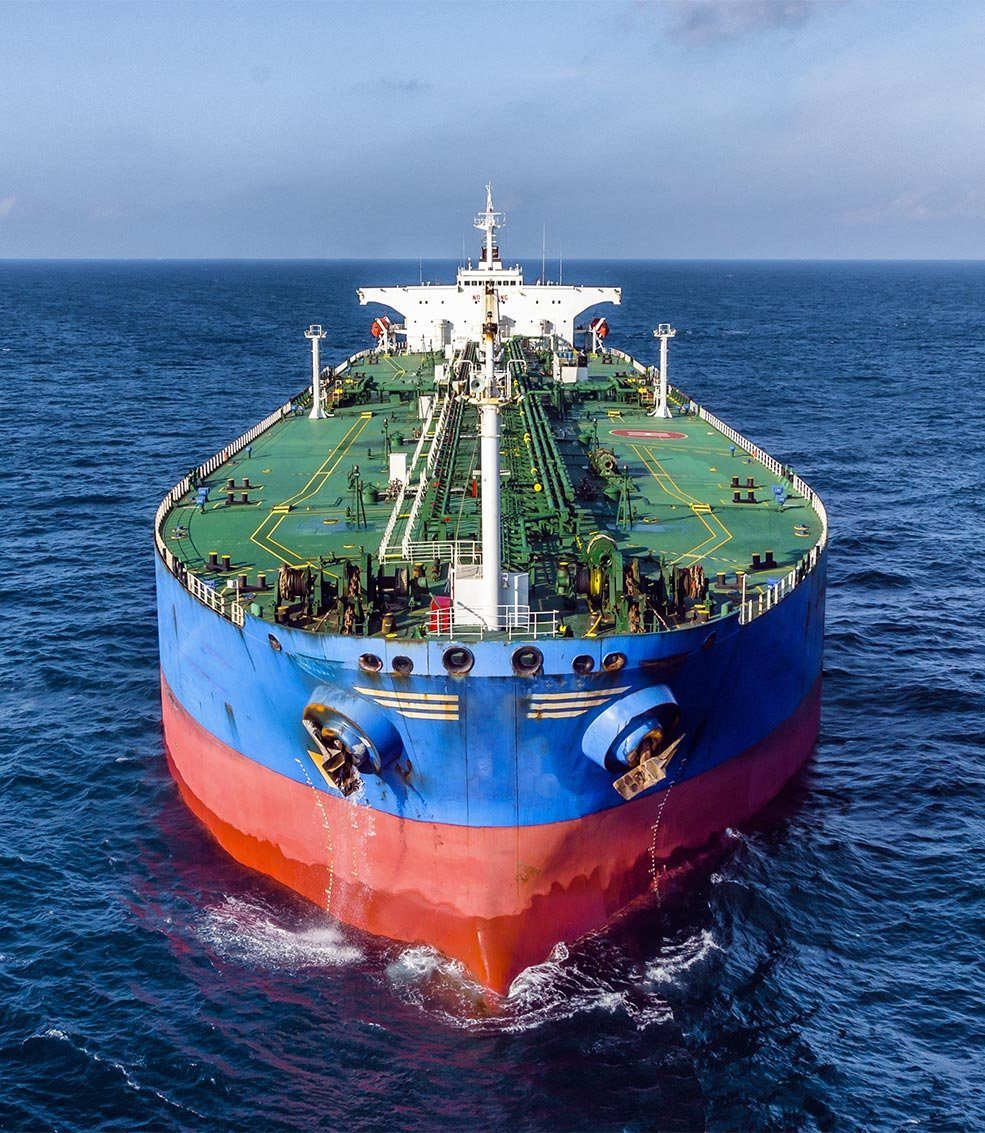
Iran said on Tuesday that the Strait of Hormuz will stay shut until the United States meets seven conditions set out by Tehran. The statement came from Mohsen Rezaei, Iran's top security official, who also said there were no talks taking place between Iran and the United States. At the same time, two oil tankers caught fire in the strait after hitting naval mines, according to Iran's Revolutionary Guards, and oil prices rose again. The two sides now tell very different stories about the same narrow stretch of water.
What Iran said
Rezaei said the strait would not be reopened unless Washington meets Tehran's seven conditions. He said the conditions were set out in a June interim agreement, and Iran was still waiting for a clear response. He called US claims that talks were continuing "pure lies and fabrications", in an interview with the pro-Iran broadcaster Al-Mayadeen. The details of the seven conditions have not been made public.
The statement matters because about a fifth of the world's oil and liquefied natural gas passes through the strait. It is only about 33 kilometres wide at its narrowest point, between Iran on one side and Oman and the United Arab Emirates on the other.
Tankers on fire and rising oil prices
Iran's Revolutionary Guards said two oil tankers caught fire in the strait after hitting naval mines while travelling on routes that Tehran said were not approved. The Guards said one of the tankers was travelling under US military escort. The reports could not be independently confirmed, but videos posted on social media on Sunday, and verified by Reuters, showed a Navig8 tanker on fire near the coast of Oman. The Abu Dhabi National Oil Company, known as ADNOC, also said one of its vessels was damaged after an attack in the UAE's territorial waters in the Gulf.
The attacks continued a pattern. According to data from the Washington Institute for Near East Policy, 37 ships were attacked in the Strait of Hormuz and nearby waters in October, the highest monthly total since the war began. Another 10 attacks have been recorded so far in November.
Oil prices moved with the news. Brent crude, the world benchmark, rose about 1.1 percent to around 92.50 dollars a barrel on Wednesday, while US crude rose to about 86.70 dollars a barrel. The rise came a day after prices had fallen to a two month low, after US officials played down the need for more military action against Iran.
What the US said
The United States tells a very different story. Captain Tim Hawkins, a spokesperson for US Central Command, known as CENTCOM, told Al Jazeera that traffic through the strait "continues to flow" and rejected the idea that Iran controls the waterway. He said US forces had helped move more than 900 million barrels of crude oil through the strait since early May, and had redirected more than 100 ships that were trying to break the US blockade on Iranian ports. He also said US forces had cleared mines from the main shipping lanes several weeks ago and were keeping them clear.
"The strait is open. Those lanes are open. And that is why commercial vessels continue to flow through them," Hawkins said. He said the US military was running two missions at once: helping commercial ships pass through, and enforcing what he called a highly effective blockade on Iranian maritime trade.
US Secretary of State Marco Rubio said on Tuesday that economic pressure on Iran would get worse in the coming months, and that Iran's oil revenues would dry up as sanctions took a greater toll. Speaking at the G7 foreign ministers' meeting in Paris, he said Iran still had a small number of oil barrels on the water from a brief ceasefire, but once those were gone, "almost all of their oil revenue will dry up".
The pressure on people at the top
The conflict has also reached into the personal security of senior US officials. US Treasury Secretary Scott Bessent has moved out of his home and into a military base after threats to his life from Iran, according to a report in The New York Times. Bessent has been a key figure in the economic pressure campaign against Tehran. Iran has denied plotting attacks against US officials.
President Donald Trump, after meeting the mediator Qatar on Monday, played down the chance of a major resumption of fighting, but he also refused to accept Iran's current truce proposal. On Sunday, Iran said it had received a US response to its latest offer for peace talks, after Trump called Tehran's proposal "unacceptable". Trump also announced a naval mission called Project Freedom, to help guide stranded ships through the strait. Iran's military said any foreign armed force that tried to enter the strait would be attacked.
Why this strait has been fought over before
The strait has been a point of conflict for decades. It is the only sea route out of the Gulf, and the oil states of the region depend on it to sell their oil. Whoever controls it can threaten the world's energy supply, which is why it has been at the centre of every crisis between Iran and the West since the Iranian revolution of 1979.
During the Iran-Iraq war in the 1980s, both sides attacked oil tankers in what became known as the Tanker War, and the US Navy stepped in to protect shipping. In 2019, several tankers were attacked in the Gulf of Oman, and Iran seized a British tanker, raising fears of a wider war. In each case, the pattern was the same: Iran used its position on the strait as leverage, and the United States used its navy to keep the oil moving.
This time the stakes are higher because the two countries are already at war. The US-Israeli war on Iran began on February 28, 2026, and has killed thousands of people and displaced millions, according to news reports.
What happens next
For now, both sides are holding their positions. Iran says the strait stays shut until its seven conditions are met. The US says the strait is open and that its blockade will only get tighter. The G7 foreign ministers are meeting in Paris, and the Qatari prime minister has been holding talks with France's president about de-escalation.
For the world, the key question is simple: can oil keep moving through the strait safely? If the attacks continue, prices will stay high and shipping costs will rise. If a deal is reached, prices could fall fast, as they did on Tuesday when talk of de-escalation pushed Brent to a two month low.
Frequently asked questions
What are Iran's seven conditions for reopening the Strait of Hormuz?
The details have not been made public. Mohsen Rezaei, Iran's top security official, said the seven conditions were set out in a June interim agreement. No official list of the conditions has been published by either side.
Is the Strait of Hormuz closed?
The two sides disagree. Iran says the strait is shut to shipping that does not use routes approved by Tehran, and its forces have attacked tankers on other routes. The US military says the strait is open, that traffic continues to flow, and that it has helped more than 900 million barrels of oil pass through since early May.
Why does the Strait of Hormuz matter so much?
About a fifth of the world's oil and liquefied natural gas passes through the strait. It is the only sea route out of the Gulf, and the oil producing states of the region depend on it.
What is Project Freedom?
Project Freedom is the name President Donald Trump gave to a US naval mission to help guide stranded ships through the Strait of Hormuz. Iran's military said any foreign armed force that tried to enter the strait would be attacked.
How many ships have been attacked in the strait?
Data from the Washington Institute for Near East Policy put the total at 37 ships attacked in October 2026, the highest monthly total since the war began, and 10 more attacks so far in November.