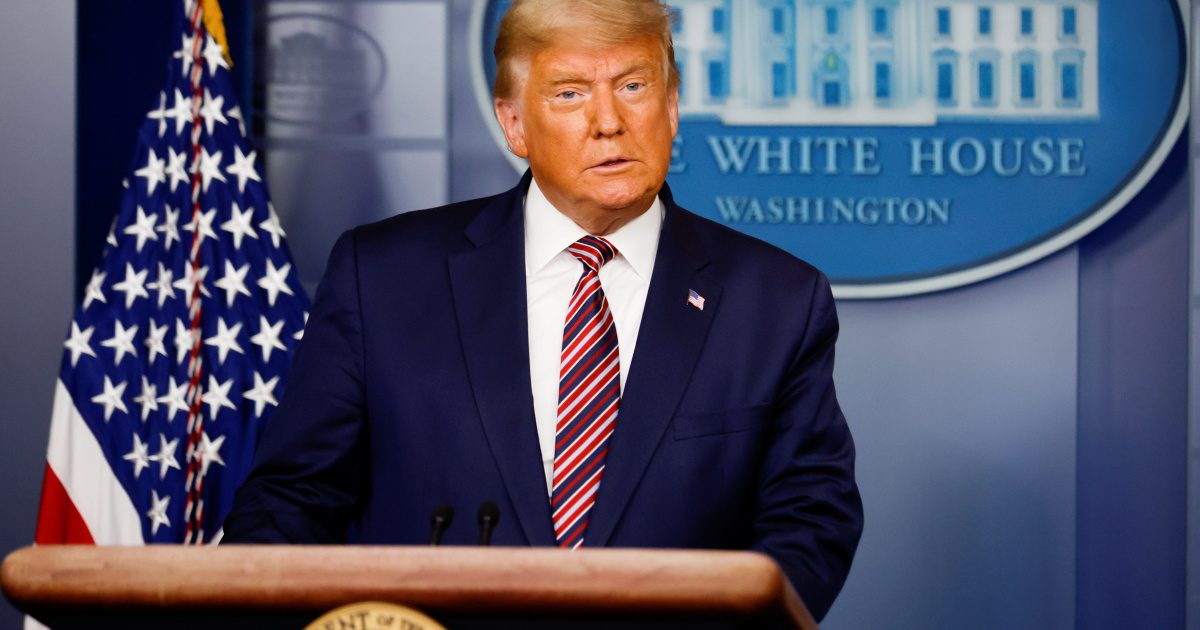
US President Donald Trump said on Monday, November 9, that further military strikes on Iran do not seem necessary, and that a return to full war is highly unlikely. The comments, made after talks with Qatar's prime minister at the White House, are the clearest sign yet that the United States may be winding down a war that began in late February 2026. At the same time, Trump warned that the US remains "locked and loaded", and fighting has not stopped, with fresh strikes reported on both sides in the last two days.
What Trump actually said
Trump met Qatar's Prime Minister Sheikh Mohammed bin Abdulrahman Al Thani at the White House on Monday. Qatar has acted as a mediator between Washington and Tehran. After the meeting, Trump told reporters that military action against Iran "doesn't seem to be a very necessary thing", and that "Iran, militarily, is effectively over". He added that the US would stay ready if circumstances changed.
In an interview with CNN on Sunday, Trump had already said that renewed fighting was "highly unlikely". US media had reported that strikes could restart after last Tuesday's midterm elections, in which the Republicans lost ground. Trump has acknowledged that the war, which he began with Israel in February, was at least partly responsible for the defeat, and that it is deeply unpopular with the American public.
The remarks point to a deal taking shape. Iran's Foreign Ministry confirmed on Monday that Tehran was reviewing the latest text from Washington, which was relayed through Pakistan, but it urged a more "realistic" approach from Trump. Iran's proposal, which its Foreign Ministry spokesman Esmail Baghaei said on Monday is still on the table, is to reopen the Strait of Hormuz within two days if the US meets Tehran's demands. Those demands include an end to the US naval blockade of Iranian ports, a lifting of sanctions and a halt to the bombing campaign.
Iran also denied reports that it had agreed to negotiate reopening the strait in exchange for 8 billion dollars in frozen assets. The Fars news agency quoted a senior Iranian official as saying those reports were completely false.
The fighting has not stopped
Trump's words have not ended the fighting. Iranian state media said the US struck Qeshm Island in the Strait of Hormuz overnight on Sunday, hours after two explosions were reported there. A senior Iranian source said the strikes were aimed at radar systems and bases for missile launchers and mine-laying equipment. It was the latest in a series of US strikes on the island in recent days.
In the wider war, the Houthis in Yemen have stepped up attacks on Saudi Arabia. On Tuesday morning, the Saudi-led coalition said its air defences intercepted a ballistic missile and a cruise missile fired by the Houthis towards Riyadh, and another ballistic missile aimed at the southern region. Saudi civil defence had issued an early warning alert for the capital before the threat was declared over. On Monday, Saudi Arabia said its East-West oil pipeline was attacked in the Medina region, causing a limited fire that was put out, with no injuries and no effect on pipeline operations. The pipeline matters because it lets Saudi oil reach the Red Sea and bypass the Strait of Hormuz.
The death toll from Saudi strikes near Yemen's capital, Sanaa, over the weekend has risen to 44, most of them women and children, according to Houthi health authorities.
The Strait of Hormuz is still blocked
The Strait of Hormuz, the narrow waterway between Iran and Oman, remains at the centre of the conflict. Iran has tried to blockade the strait since the war began, while the US Navy runs a counter-blockade of Iranian ports. Trump said on Sunday that the US would "guide" vessels stranded by the war through the strait.
Shipping through the strait is still far below normal. The UK Maritime Trade Operations office said in its latest weekly report that marine traffic is about 65 percent below pre-conflict levels. At the same time, energy flows have partly recovered: the number of liquefied natural gas tankers leaving the strait reached its highest in October since the war began, with 31 laden tankers, most of them loaded at Ras Laffan in Qatar.
Iran has warned the US not to enter the strait. The head of Iran's joint military command, Major General Ali Abdollahi, said on Monday that Iranian forces would attack US forces if they entered the strait. Iranian media also claimed that a US warship trying to cross the strait had been hit with two missiles and had to withdraw near the port of Jask. The US military denied that any of its vessels had been struck.
A short history of the conflict
The war began on February 28, 2026, when the US and Israel launched joint strikes on Iran. It is now in its ninth month. Outright fighting has largely subsided in recent weeks, but Iran continues to try to close the strait, and the US keeps its naval blockade in place.
The conflict has deep roots. The US and Iran have been rivals since the Iranian revolution of 1979, when the pro-American shah was overthrown and American diplomats were held hostage in Tehran for 444 days. In 2015, Iran signed a nuclear deal with world powers that limited its nuclear programme in return for sanctions relief. The US left that deal in 2018, and sanctions returned. The Strait of Hormuz has been the focus of every crisis since, because about a fifth of the world's oil passes through it, and any threat to shipping there pushes up energy prices around the world.
What happens next
Three things will decide whether the war ends or restarts. The first is the talks. Qatar and Pakistan are both carrying messages between the two sides, and Iran is studying the latest American text. A deal would likely trade an end to the Hormuz blockade for a lifting of some sanctions and a halt to US strikes. The second is the strait itself. As long as shipping stays far below normal and tankers keep being attacked, the economic pressure on both sides will push them back towards fighting. The third is politics in Washington.
For now, the picture is mixed. The president is talking about peace, but the blockade, the strikes and the missile attacks are all still happening. The next few days of talks will show whether his words mark the end of the war, or only a pause in it.
Frequently asked questions
What did Trump say about strikes on Iran?
On Monday, November 9, after meeting Qatar's prime minister, Trump said further military action against Iran "doesn't seem to be a very necessary thing" and that Iran was "militarily, effectively over". He told CNN on Sunday that renewed fighting was "highly unlikely", but he added that the US remains "locked and loaded" if circumstances change.
Is the US-Iran war over?
No, not yet. The fighting has slowed, but strikes, blockades and attacks on shipping are still happening. Talks are under way, but no deal has been announced.
What is Iran asking for in the talks?
Iran has said it will reopen the Strait of Hormuz within two days if the US ends its naval blockade of Iranian ports, lifts sanctions and stops its bombing campaign. Tehran has denied reports that it agreed to a deal in exchange for 8 billion dollars in frozen assets, and it has said the US must take a more realistic approach.
Why is the Strait of Hormuz so important?
The strait is the only sea passage from the Persian Gulf to the open ocean, and about a fifth of the world's oil passes through it. When it is threatened, oil and gas prices rise, shipping costs climb, and Gulf states such as Saudi Arabia and Qatar must find other routes, such as the East-West pipeline to the Red Sea.
When did the US-Iran war start?
The war began on February 28, 2026, when the US and Israel launched joint strikes on Iran. It is now in its ninth month. Its roots go back to the Iranian revolution of 1979 and the dispute over Iran's nuclear programme.