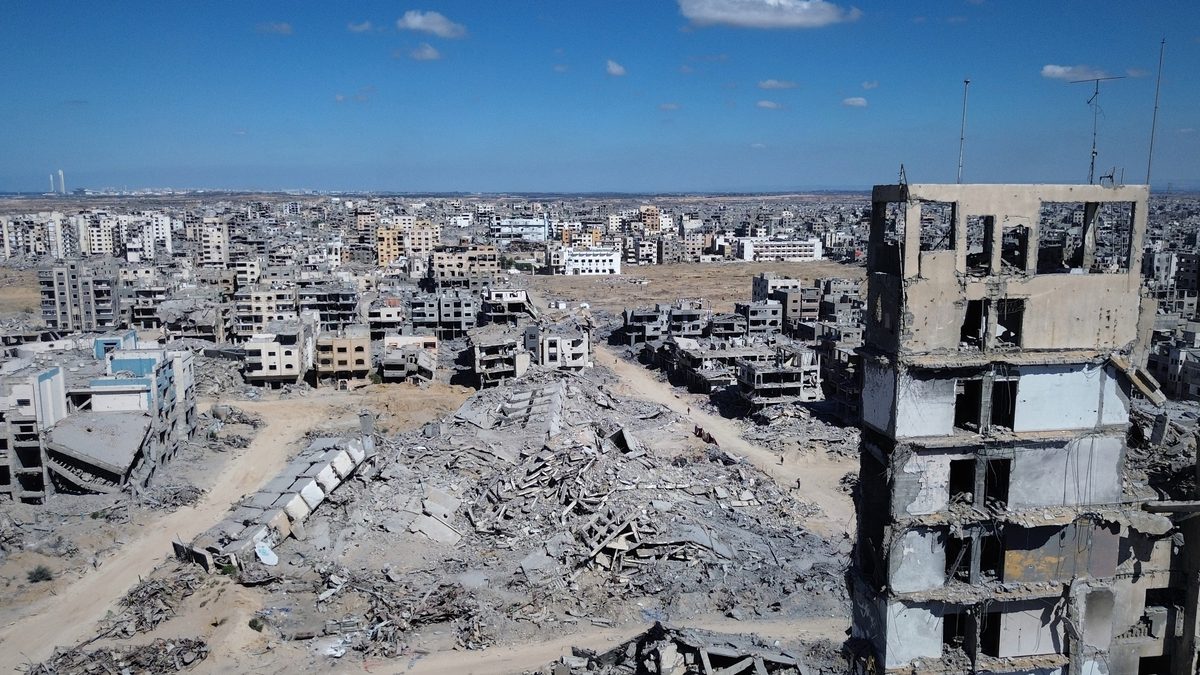
An Israeli airstrike hit Nasser Hospital in the southern Gaza city of Khan Younis early on Thursday, November 12, 2026, killing at least six people, including a surgeon, and wounding more than 20, according to Gaza's civil defence service. The strike came more than a year after a ceasefire took effect in Gaza, which both sides accuse each other of breaking. This article explains what happened, what each side said, and why hospitals in Gaza have become central to the war.
What happened at Nasser Hospital
The strike hit a building at the Nasser Medical Complex in western Khan Younis early on Thursday, according to Gaza's civil defence service. The hospital said it hit the surgery department, on the second floor of the al-Yasin building.
Gaza's civil defence spokesperson, Mahmoud Basal, told Reuters that at least five people were killed and about 20 wounded. The toll was later updated to six, according to the hospital and the civil defence service. The dead surgeon was identified by medics as Rezik Abushira, and the hospital said operations in its surgical ward had been forced to shut down.
There was no immediate comment from the Israeli military, according to Reuters and Haaretz. Israeli Army Radio described the strike as an "assassination operation", without giving further details, according to Anadolu.
Israel has stepped up its attacks on Gaza in recent days, and it says Hamas is trying to regroup and refill its arsenal. Hamas, for its part, says Israel is breaking the ceasefire.
What each side said
The Hamas-run Health Ministry in Gaza described the strike as a war crime and called on the international community to intervene and protect the health system, according to Haaretz. Hamas condemned the strike and called on the mediators and the US administration to work to stop the violations and ensure the ceasefire is observed.
Israel has not given an official account of the strike. The military did not respond to requests for comment in the hours after the attack, according to the Times of Israel. The claim by Israeli Army Radio that it was an "assassination operation" was not confirmed by the military, and no target was named.
The strike was not the only incident reported in Gaza on Thursday. Al Jazeera reported that an Israeli drone strike killed a Palestinian man and wounded several others in al-Mawasi, west of Khan Younis, where it hit a tent sheltering displaced Palestinians. In the occupied West Bank, Israeli settlers shot dead a Palestinian man in a raid on the village of Yasuf, north of Ramallah, the same day, according to Al Jazeera.
The ceasefire and the death toll since it began
The ceasefire in Gaza took effect in October 2025, after two years of war that began with the Hamas attack on Israel on October 7, 2023. It was meant to stop the fighting, but attacks have continued, and both sides accuse each other of breaking the agreement.
Gaza's health officials say at least 1,600 Palestinians have been killed in Israeli attacks in Gaza since the ceasefire took effect, while Israel says four of its soldiers have been killed, according to Reuters. The exact figures vary between reports, because different sources count at different times, but all of them show that the killing has not stopped.
The total toll of the war is far higher. Gaza's Health Ministry says at least 74,040 Palestinians have been killed and 175,168 wounded since October 2023, according to Al Jazeera. The ministry's figures are widely used by the United Nations and news agencies, though the tolls from the two sides are counted in different ways and cannot be checked independently.
Why hospitals matter in this war
Nasser Hospital is the main hospital in southern Gaza, and one of the few large hospitals still working in the territory. Hospitals in Gaza have been at the centre of the war from the start, because they treat the wounded and shelter large numbers of displaced people.
Under international humanitarian law, hospitals and other medical facilities have special protection during war and should not be attacked. That protection can be lost in narrow cases, for example if a hospital is used for military purposes, but the rules require a warning and a chance to stop the misuse first. Both sides have made claims about hospitals: Israel has said Hamas uses hospitals and other civilian buildings for military purposes, while Hamas and Gaza health officials say hospitals are purely civilian and attacks on them are war crimes. These claims are hard to check independently during a war, and they are disputed.
The strike on Nasser Hospital is not the first time a hospital in Gaza has been hit. Several hospitals have been damaged or closed during the war, and medical workers are among the dead. Gaza's health system, already under strain before the war, now works with far fewer beds, fewer staff and fewer supplies than it needs.
The humanitarian situation as winter arrives
The strike came as the United Nations warned about Gaza's worsening humanitarian situation. The UN's Emergency Relief Coordinator, Tom Fletcher, said on Wednesday that people in Gaza face freezing temperatures and harsh storms, and that the tents many thousands live in are collapsing or flooding.
Fletcher urged that aid be allowed in without waiting for a new Israeli government to form, and said the UN has a clear plan for the supplies Gaza needs, including shelter, warm clothes, blankets, generators and fuel. The UN's labour agency also warned that 252,000 jobs have been lost in Gaza between the third quarters of 2023 and 2025, and that unemployment has reached 85.1 percent.
Gaza's hospitals are not only treating the wounded from the fighting, they are also dealing with destroyed homes, poor shelter and a lack of clean water and medicine.
What happens next
It is not yet clear whether the strike on Nasser Hospital will lead to a wider response. Hamas has called on the mediators and the US administration to act, and the UN has called for more aid and for the protection of civilians. Israel has not commented.
The pattern of the past year suggests the ceasefire will remain fragile. Both sides accuse each other of breaking it, attacks continue, and the death toll keeps rising. For the people of Gaza, the strike on the main hospital in the south is another sign that the war, even under a ceasefire, is not over.
The key facts are simple: a hospital was hit, six people were killed according to Gaza's civil defence, including a surgeon, and more than 20 were wounded. The Israeli military has not commented. The ceasefire meant to end the killing has not held, and the humanitarian situation in Gaza is getting worse as winter arrives.
Frequently asked questions
What happened at Nasser Hospital on November 12, 2026?
An Israeli airstrike hit a building at the Nasser Medical Complex in Khan Younis, southern Gaza, early on Thursday, November 12, 2026. Gaza's civil defence said six people were killed, including a surgeon, and more than 20 were wounded.
Who was killed in the strike?
Gaza's civil defence said six people were killed, including a surgeon identified by medics as Rezik Abushira. More than 20 were wounded, according to the civil defence service and the hospital.
What did Israel say about the strike?
The Israeli military had no immediate comment. Israeli Army Radio described the strike as an "assassination operation", without giving further details, according to Anadolu. Israel says Hamas is trying to regroup and refill its arsenal.
Is there still a ceasefire in Gaza?
A ceasefire took effect in October 2025, after two years of war. Both sides accuse each other of breaking it, and attacks have continued. Gaza's health officials say at least 1,600 Palestinians have been killed in Israeli attacks since the ceasefire began.
Why are hospitals protected in war?
Under international humanitarian law, hospitals and other medical facilities have special protection and should not be attacked. That protection can be lost in narrow cases, such as if a hospital is used for military purposes, but a warning and a chance to stop the misuse are required first. Both sides have made disputed claims about hospitals.