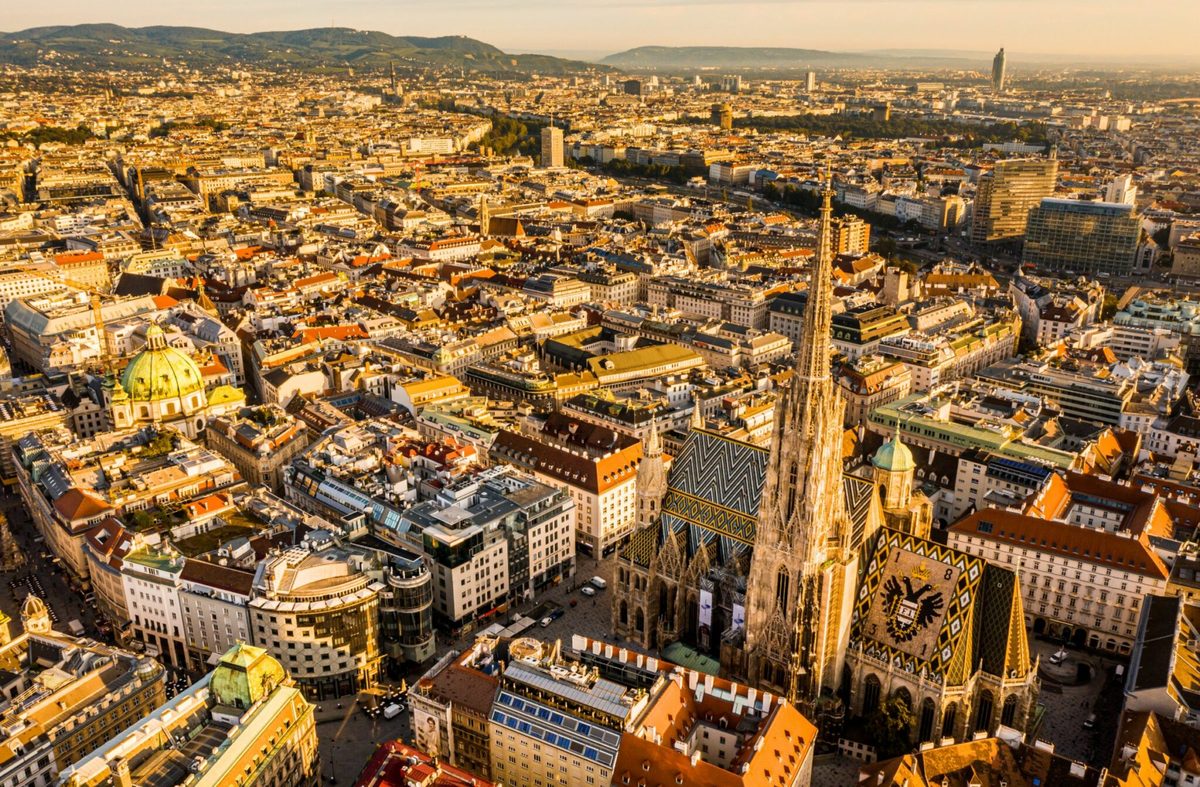
In the summer of 1683, the Ottoman Empire laid siege to Vienna, the capital of the Habsburg emperor in the heart of Europe. For two months, a huge Ottoman army tried to break through the city walls while the defenders held on, waiting for help. On 12 September 1683, a relief army led by the Polish king Jan III Sobieski arrived and defeated the Ottomans in one of the most famous battles in European history. The siege failed, and the Ottoman advance into Central Europe was stopped for good.
Why the Ottomans marched on Vienna
The Ottoman Empire had been pushing into Europe for centuries. By 1683, the Ottomans controlled Hungary, the Balkans, and much of south-eastern Europe. Vienna was the next great prize. It was the capital of the Holy Roman Emperor Leopold I, and it stood at the crossing of the Danube, on the road to Germany and western Europe. Taking Vienna would have given the Ottomans a base for further conquests in the west.
The Ottoman army was led by the Grand Vizier, Kara Mustafa Pasha. He was the chief minister of Sultan Mehmed IV, and he had planned the campaign himself. The army was very large. Historians give different figures, but the common estimate is around 120,000 to 150,000 soldiers, with more than 300 cannon. The force included Ottoman regular troops, the elite Janissaries, soldiers from the Balkan provinces, and large numbers of Crimean Tatar horsemen who raided the countryside around Vienna.
In the spring of 1683, the Ottoman army crossed the Danube and moved up through Hungary. Hungarian rebels who opposed Habsburg rule joined the Ottomans, and the road to Vienna was open. Emperor Leopold I left the city with his court and fled to Passau, a town further up the Danube. He left behind a garrison to hold Vienna and sent urgent calls for help to the princes of Europe.
The defence of Vienna
The defence of Vienna was led by Count Ernst Rudiger von Starhemberg, a Habsburg general. He had about 11,000 soldiers, plus about 5,000 armed citizens and students. The city walls were old, and parts of them were in poor condition. Starhemberg ordered the houses outside the walls to be pulled down so the attackers could not use them for cover, and he set his men to repair the defences.
The Ottomans reached Vienna on 14 July 1683 and surrounded the city. They did not try to storm the walls at once. Instead, they dug long trenches towards the walls, a method called sapping. Their miners dug tunnels under the walls and packed them with gunpowder. When the mines exploded, they blew holes in the defences, and Ottoman soldiers rushed forward to attack the breach.
The fighting was slow and brutal. The defenders fought in the trenches and in the rubble of the walls. The Ottomans pushed closer each day, and by early September they had broken through the outer wall in places. The defenders were running out of food, and many were sick. The garrison had lost about half its men. Starhemberg himself was wounded, but he refused to surrender. The city was close to falling.
Meanwhile, the Ottoman commander made a serious mistake. Kara Mustafa wanted to take Vienna intact, because he hoped to make it his own capital in the west. He refused to allow his men to storm the city in a full attack, and he did not guard the hills around Vienna properly. He also kept most of his army in the trenches instead of preparing for a relief force. These choices gave the defenders time, and they gave the relief army its chance.
The relief army arrives
While Vienna held out, a relief army was gathering. The Holy League, an alliance of the Habsburg emperor, the Pope, and several German princes, raised an army of about 70,000 men. The most important part of the army was the Polish force led by King Jan III Sobieski, who arrived with about 25,000 Polish soldiers, including the famous Winged Hussars, heavy cavalrymen who wore feathered wings on their backs.
The relief army gathered on the Kahlenberg, a hill north-west of Vienna, on 11 September. On the morning of 12 September, the allied army attacked downhill towards the Ottoman camp. The fighting lasted all day. The German and Austrian troops pushed through the Ottoman lines on the left, and the Polish troops worked their way around the Ottoman right.
In the late afternoon, Sobieski gave the order for the great cavalry charge. About 18,000 horsemen, including around 3,000 Winged Hussars, swept down the hill in the largest cavalry charge in history. The Ottoman lines broke. Kara Mustafa fled the battlefield, and the Ottoman army collapsed. The siege was over in a single day.
What the relief army found
When the victorious army entered the Ottoman camp, they found an enormous amount of supplies: food, tents, cannon, gunpowder, and treasure. The Ottoman camp was so rich that soldiers were said to have found coffee beans, and this is one reason the first coffee houses in Vienna are linked to the siege. The Ottomans had left behind about 15,000 dead on the field, and many more were killed or captured during the retreat.
Kara Mustafa was blamed for the defeat. He was executed on the orders of the Sultan in Belgrade in December 1683. The Ottoman Empire had lost its best army, and it never again threatened Vienna.
Why the siege mattered
The siege of Vienna in 1683 was a turning point in European history. For more than 150 years, the Ottomans had been advancing into Europe. After Vienna, the direction changed. The Holy League went on the attack, and over the next 16 years the Habsburgs took back Hungary and Transylvania. The war ended with the Treaty of Karlowitz in 1699, in which the Ottoman Empire gave up large areas of land in Europe for the first time.
The siege also changed how Europe saw the Ottoman Empire. Before 1683, many Europeans feared that the Ottomans could not be stopped. After the siege, the Ottoman Empire was seen as a power in decline, at least in Europe. The victory also strengthened the alliance between the Catholic powers of Europe and made Jan III Sobieski a hero across the continent. Pope Innocent XI called him the saviour of Vienna.
For the Ottoman Empire, the defeat at Vienna marked the end of its expansion into Central Europe. The empire continued for another 240 years, but it would never again come so close to the heart of Europe. The siege is still remembered in Vienna today. The Kahlenberg hill has a Polish church and a monument to Sobieski, and 12 September is still marked as a day of thanksgiving in the city.
Frequently asked questions
Who won the siege of Vienna in 1683?
The defenders and the relief army won. The Ottoman army under Grand Vizier Kara Mustafa Pasha besieged Vienna for two months, but on 12 September 1683 a relief army led by the Polish king Jan III Sobieski defeated the Ottomans at the Battle of Kahlenberg, and the siege was lifted.
How long did the siege of Vienna last?
The siege lasted about two months, from 14 July to 12 September 1683. The Ottoman army surrounded the city on 14 July, and the relief army broke the siege on 12 September.
How big was the Ottoman army at Vienna?
Historians give different figures, but the common estimate is around 120,000 to 150,000 soldiers, with more than 300 cannon. The relief army that broke the siege had about 70,000 men, including around 25,000 Polish troops.
What were the Winged Hussars?
The Winged Hussars were Polish heavy cavalry. They wore wings made of feathers attached to their backs or saddles, and they carried long lances. At Vienna, about 3,000 of them took part in the great cavalry charge of 18,000 horsemen that broke the Ottoman lines on 12 September 1683.
Why is the siege of Vienna important?
It was the high point of Ottoman expansion into Europe. After the defeat, the Ottomans lost Hungary and Transylvania over the next 16 years, and the Treaty of Karlowitz in 1699 confirmed the loss. The siege marked the end of Ottoman advances in Central Europe.