On Wednesday 18 November, Iran fired on a US airbase in Kuwait and attacked Bahrain, in what appeared to be retaliation for American strikes on Iran the day before. Kuwait and Bahrain said their defences intercepted the attacks, and neither country reported damage or casualties.
The exchange was the latest round in a war that began in February 2026 and has now spread across the Gulf, the Strait of Hormuz and Yemen.
What happened on Wednesday
Iran's military said its drones targeted Patriot air defence systems and missile launch platforms at Ali Al-Salem Air Base in Kuwait. Kuwait's army said its air defences countered the attacks and urged residents to follow safety instructions. It was the first drone strike on Kuwait since early September, according to news reports.
Bahrain said its military intercepted Iranian attacks for a second day in a row. One report said it has now suffered four Iranian attacks in six days.
The strikes appeared to be retaliation for an American attack the day before, when US fighter jets hit a missile launch site on Iran's Qeshm Island, in the Strait of Hormuz, using precision munitions. A US military official described that strike as self-defence, saying it came after Iran's Revolutionary Guards targeted a US radar installation at Bahrain's Isa Air Base.
Iran's army chief, Amir Hatami, warned of a "more devastating" reaction to the United States and its allies.
The ships and the Strait of Hormuz
Attacks on shipping continued at the same time. On Tuesday evening, a vessel belonging to ADNOC Logistics and Services, the shipping arm of Abu Dhabi's state oil company, was attacked while crossing the Strait of Hormuz, leaving one crew member missing and 11 injured, according to the UAE state news agency WAM.
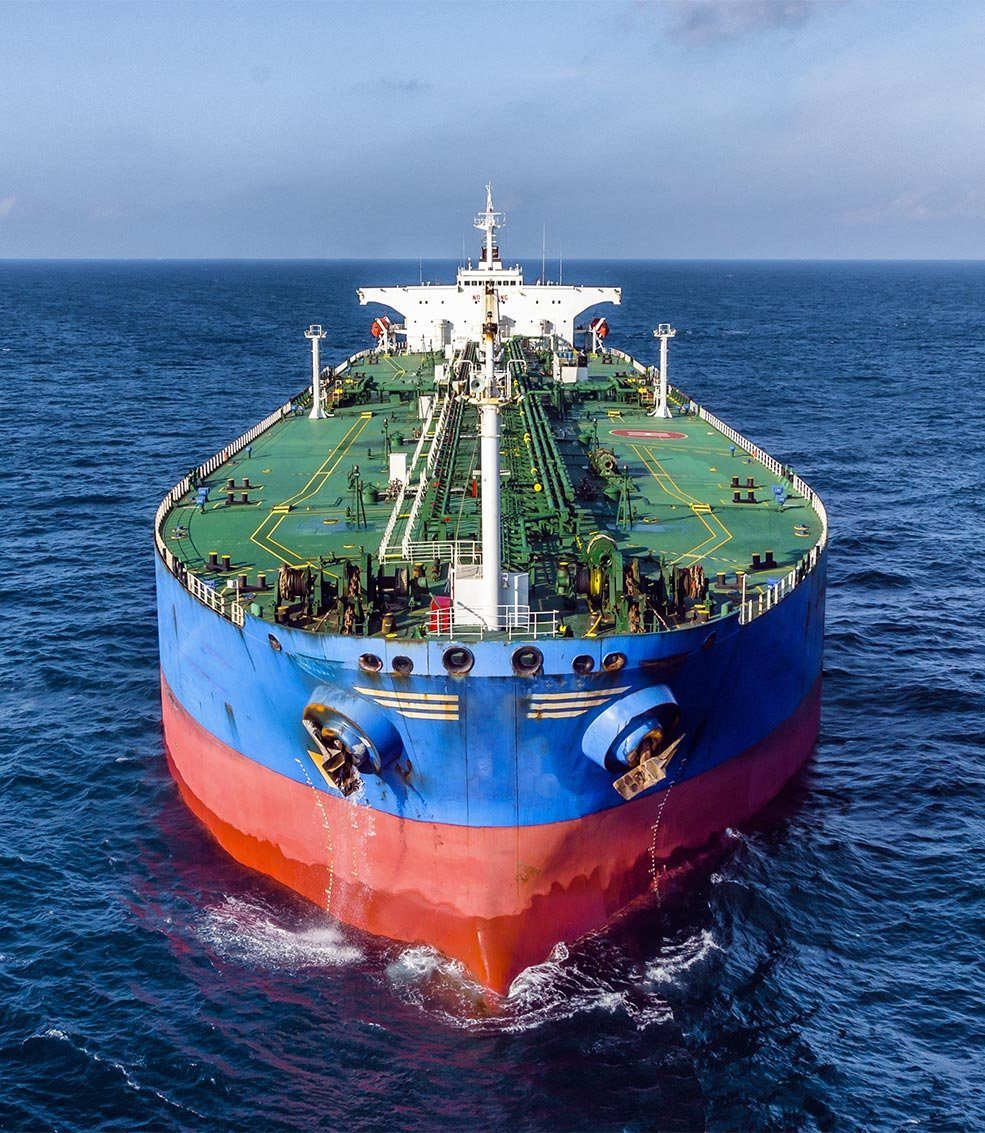
On Wednesday evening, a tanker was struck by an unknown projectile in its engine room while sailing out of the Strait of Hormuz, about six nautical miles north of Khasab in Oman. The United Kingdom Maritime Trade Operations, which tracks shipping incidents, said all crew members were safe. The report did not identify the tanker, the origin of the projectile or those responsible.
Ships passing through the Strait of Hormuz have come under near-daily fire in November. Iran says ships must use only routes it has approved. The United States has responded by imposing a blockade on Iranian ports, and its navy protects tankers taking a southern route through the strait, through Omani waters. Before the war, the strait carried about a quarter of the world's seaborne oil.
Yemen and the Houthis
The fighting also spread to Saudi Arabia and Yemen on Wednesday, when the Iran-backed Houthis fired missiles towards Saudi Arabia. The Saudi-led coalition fighting the Houthis said it intercepted two cruise missiles heading for Riyadh, the Saudi capital. An explosion was heard in Riyadh, and the coalition said it was assessing damage from falling debris.
The Houthis claimed they had targeted Riyadh's airport and financial centre, as well as Jizan and Khamis Mushait in the south. Saudi Arabia issued emergency alerts in Riyadh and in five southern cities, and later said the danger had passed.
The Saudi-led coalition said its forces destroyed a Houthi missile launch platform in Dhamar, and launched a major air attack across Houthi-held territory, hitting what it called 60 military targets in Sanaa, Amran, Saada and Hodeida. The Houthi-run health ministry said the strikes killed at least 17 people, including 15 at a sponge factory in Hodeida.
UNICEF said at least 64 children have been killed in Yemen since 3 September, and more than 330,000 people have been displaced since the fighting escalated again.
What Trump said
US President Donald Trump spoke about the war in a wide-ranging interview with Fox News. He said he wanted a lasting agreement with Iran, one that would survive future changes in American leadership. "I want a deal that can be lasting," he said. "I'm going to finish it off, soon. One way or the other, we'll finish it off."
Trump said the United States remained in contact with Iranian representatives and claimed Tehran wanted an agreement. He also claimed Iran was seeking to develop chemical and biological weapons, without providing evidence. He said the United States had "total control" of the Strait of Hormuz and claimed Iran's missile capability had been reduced to about 12 to 13 percent of its original strength. The Wall Street Journal reported on 15 November, citing US officials, that Iran still has an estimated 1,500 to 2,500 missiles.
Trump was travelling to China for the APEC summit on Wednesday to meet the Chinese and Russian presidents, and said the United States did not need their help to end the war on Iran.
The US State Department reissued security warnings to American citizens in Saudi Arabia and Bahrain on Wednesday. The Gulf Cooperation Council condemned the attacks on Bahrain and called on the UN Security Council to act.
How the war reached this point
The current war began on 28 February 2026, when US and Israeli forces launched strikes against Iran. Iran responded by striking US bases and America's Gulf allies, and by blockading the Strait of Hormuz. A ceasefire was reached in April, followed by a memorandum of understanding in June that was meant to end the conflict. That arrangement collapsed as fighting resumed.
The war has now lasted almost nine months. It has spread beyond Iran and Israel to the Gulf states that host American bases, to the shipping lanes of the Strait of Hormuz, and to Yemen, where the Houthis have seized new territory and advanced towards the Bab al-Mandeb strait.
In Gaza, Israeli forces launched a military operation in central Gaza on Wednesday, west of the so-called Yellow Line that has separated areas under Hamas and Israeli control since a ceasefire began in October 2025. It was the first large-scale ground operation Israel has publicly announced since the ceasefire took effect.
What happens next
The pattern of the last few days has been a cycle of strike and counter-strike: the United States hit a missile site on Qeshm Island, Iran hit a US airbase in Kuwait and attacked Bahrain, the Houthis fired at Riyadh, and the Saudi-led coalition bombed Houthi targets in Yemen. Each side says it is acting in self-defence.
Trump says he wants a deal that lasts and will end the war "one way or the other". Iran's leaders say they will keep responding to American strikes. The Gulf states, caught in the middle, have activated their air defences and condemned the attacks, airlines have cancelled flights to several Saudi cities, and shipping through the Strait of Hormuz remains under threat.
For now, the war has no lasting settlement.
Frequently asked questions
What happened on 18 November 2026?
Iran fired drones at Ali Al-Salem Air Base in Kuwait, a base used by the US military, and attacked Bahrain several times. Kuwait said its air defences intercepted the drones. Bahrain said its military intercepted a number of Iranian attacks. Neither country reported damage or casualties.
Why did Iran attack Kuwait and Bahrain?
The attacks appeared to be retaliation for US air strikes on Iran's Qeshm Island on 17 November. A US military official said the Qeshm strike was self-defence, after Iran's Revolutionary Guards targeted a US radar installation at Bahrain's Isa Air Base.
What is Ali Al-Salem Air Base?
Ali Al-Salem Air Base is a military airbase in Kuwait used by the US military. Iran's military said its drones targeted Patriot air defence systems and missile launch platforms at the base.
Are ships still safe in the Strait of Hormuz?
Shipping through the strait has come under near-daily fire in November. An ADNOC vessel was attacked on 17 November, leaving one crew member missing and 11 injured, and a tanker was hit near Oman on 18 November, but its crew was safe. The United States is protecting tankers on a southern route through Omani waters.
Is there a ceasefire in the Iran war?
No lasting ceasefire is in place. A ceasefire was reached in April 2026, followed by a memorandum of understanding in June, but that arrangement collapsed and fighting resumed. President Trump says he wants a lasting deal, but no agreement has been reached.