A tanker was attacked near the Strait of Hormuz on Monday, and a third American aircraft carrier arrived in the Middle East on the same day. The two events sum up where the war between the United States and Iran now stands: the fighting at sea is getting worse, the American military build-up is growing, and the diplomacy to end the war is stuck. Here is what happened, why it matters, and how the war reached this point.
What happened on Monday
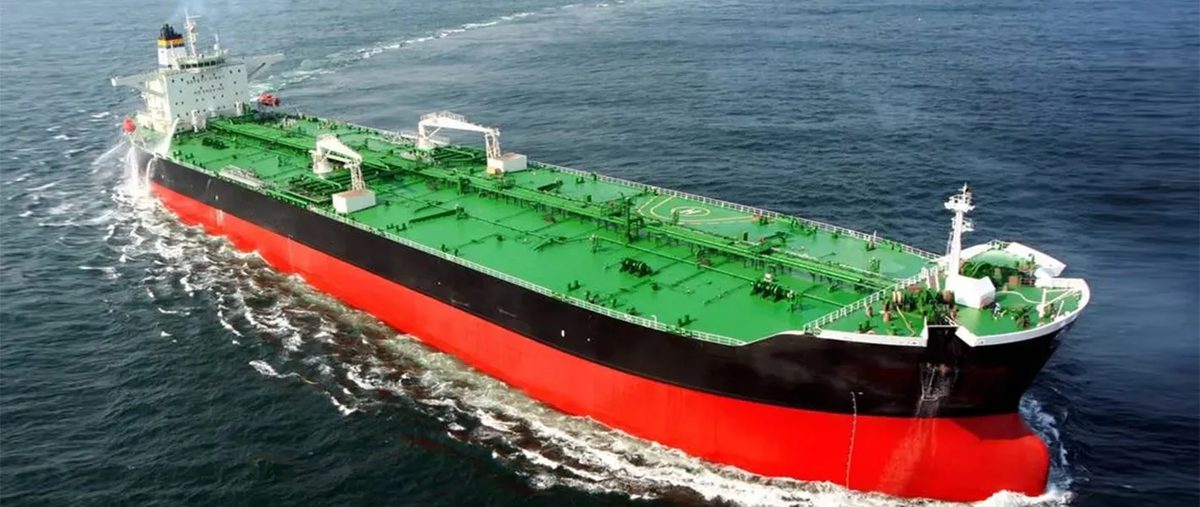
The United Kingdom Maritime Trade Operations agency, known as UKMTO, reported that a tanker was struck by an unknown projectile while leaving the Strait of Hormuz. The attack happened about seven nautical miles north of Khasab, a town on the coast of Oman. The strike caused a fire in the ship's engine room and left the vessel disabled. The crew were all accounted for, UKMTO said.
A maritime security monitor, Vanguard, identified the vessel as the Panama-flagged tanker ON PHOENIX. It said the ship was hit about three nautical miles off the Omani coast.
Iran's Islamic Revolutionary Guard Corps (IRGC) Navy said that two oil tankers had struck naval mines and caught fire while trying to cross the southern part of the strait through a route Tehran considers unauthorised. Iran's regular navy said separately that another tanker had caught fire and become immobile after striking a mine in restricted waters east of the strait. The IRGC added that six tankers had caught fire and sunk in the strait since Sunday.
These claims could not be independently verified, and the Iranian authorities did not identify the vessels involved. The difference between the accounts matters. UKMTO reported a projectile strike near the Omani coast, while Iran reported mine strikes on ships using a route it does not approve. What is clear is that commercial ships in and around the strait are being hit, and that the number of incidents is rising. The United Nations' International Maritime Organization has recorded 136 security incidents involving vessels in the Strait of Hormuz and the wider Middle East between 1 March and 11 November, including 35 in October alone.
The third American carrier
As the tanker attacks continued, the United States reinforced its military presence in the region. The aircraft carrier USS Theodore Roosevelt arrived in the Middle East on Sunday, a US official confirmed to Al Jazeera on Monday. Its arrival brings the number of American aircraft carrier strike groups operating in the region to three, alongside the USS George Washington and the USS George H.W. Bush.
Three carrier strike groups is a large force. Each carrier sails with cruisers, destroyers, and supply ships, and each carries dozens of warplanes. The build-up gives the American president more military options, and it also sends a signal to Iran about how far Washington is prepared to go. At the same time, the American vice president, JD Vance, insisted that President Donald Trump will not allow the conflict with Iran to become a "forever war". The remark was aimed at Americans who worry that the war, which is now in its ninth month, could drag on for years.
A new warning from US intelligence
Gulf News reported on Monday that new US intelligence suggests Iran may be developing plans to target senior Trump administration officials with a so-called dirty bomb or chemical weapon in Washington, DC. A dirty bomb is a device that uses normal explosives to spread radioactive material. It is not a nuclear bomb, but it could cause panic and contamination. This report has not been confirmed in public by the US government, and it should be treated as an intelligence claim, not an established fact. But it shows how far the conflict has spread beyond the battlefield.
Iran and the nuclear inspectors
On the diplomatic side, Iran said on Monday that it will not let United Nations inspectors visit its damaged nuclear facilities until the war ends and the United States meets its conditions. The statement came from Deputy Foreign Minister Kazem Gharibabadi, in a televised interview. The International Atomic Energy Agency (IAEA) had urged Tehran to resume inspections, which have been suspended since last year's 12-day war with Israel, when the US also struck Iranian nuclear sites. Gharibabadi said, "We will not grant the IAEA access to the facilities until Iran's conditions are met and the war has permanently ended."
Iran's foreign minister, Abbas Araghchi, has said that Iran formally submitted a seven-day roadmap to end the war. Under the plan, the United States would lift its naval blockade of Iranian ports, waive sanctions on Iranian oil sales, release an estimated 12 billion dollars in frozen Iranian assets, and observe a ceasefire covering the region, including Lebanon and Yemen. In return, Iran would reopen the Strait of Hormuz and resume talks on its nuclear programme. Araghchi said the plan had been conveyed to Washington through Qatar. The Wall Street Journal reported that President Trump had rejected the proposal.
How the war started
The current war broke out on 28 February, when US and Israeli strikes killed Iran's Supreme Leader, Ayatollah Ali Khamenei. The strikes began a conflict that has now lasted more than eight months. The Strait of Hormuz has been at the centre of the fighting from the start, because it is the narrow waterway through which oil from the Gulf reaches the world. It is only about 33 kilometres wide at its narrowest point.
Iran has used mines, missiles, and its navy to attack shipping in the strait. The United States has used its navy and air power to strike Iranian targets and to escort commercial ships. Both sides have said they want to end the war, but they disagree sharply on the terms. Iran wants sanctions lifted and its frozen money released. The United States wants Iran to give up its nuclear programme and stop its attacks on shipping.
What to watch next
Three questions will decide what happens next. The first is whether the tanker attacks continue and whether more ships are hit. The second is whether the United States uses its third carrier strike group for new strikes, or whether it is only there to deter Iran. The third is whether the diplomacy moves. Iran says it is waiting for an American answer to its seven-day plan. The United States has not accepted the plan, and the war continues. For now, the Strait of Hormuz remains dangerous water, and the war between the United States and Iran shows no sign of ending soon.
Frequently asked questions
What happened to the tanker near the Strait of Hormuz on November 17, 2026?
UKMTO reported that a tanker was struck by an unknown projectile about seven nautical miles north of Khasab, Oman. The strike caused an engine room fire and left the vessel disabled. The crew were all accounted for. A security monitor identified the vessel as the Panama-flagged ON PHOENIX. Iran's IRGC said separately that tankers had struck naval mines in the strait, but those claims could not be independently verified.
How many US aircraft carriers are in the Middle East now?
Three. The USS Theodore Roosevelt arrived on Sunday, joining the USS George Washington and the USS George H.W. Bush.
Why is the Strait of Hormuz so important?
About a fifth of the world's traded oil and gas passed through the strait before the war. It is the main shipping route for oil from the Gulf states, and it is only about 33 kilometres wide at its narrowest point. Whoever controls it can affect the world's energy supply.
What is Iran's seven-day plan to end the war?
Iran's foreign minister, Abbas Araghchi, said Iran submitted a plan under which the US would lift its naval blockade, waive sanctions on Iranian oil, release about 12 billion dollars in frozen assets, and observe a regional ceasefire. In return, Iran would reopen the strait and resume nuclear talks. The Wall Street Journal reported that President Trump had rejected the proposal.
Will there be a world war?
There is no sign that the war is spreading into a world war. The fighting is between the United States, Israel, and Iran, with attacks also affecting shipping and energy sites in the Gulf and Iraq. Other major powers have not joined the fighting, and the diplomacy to end the war is still active, even if it is stuck.